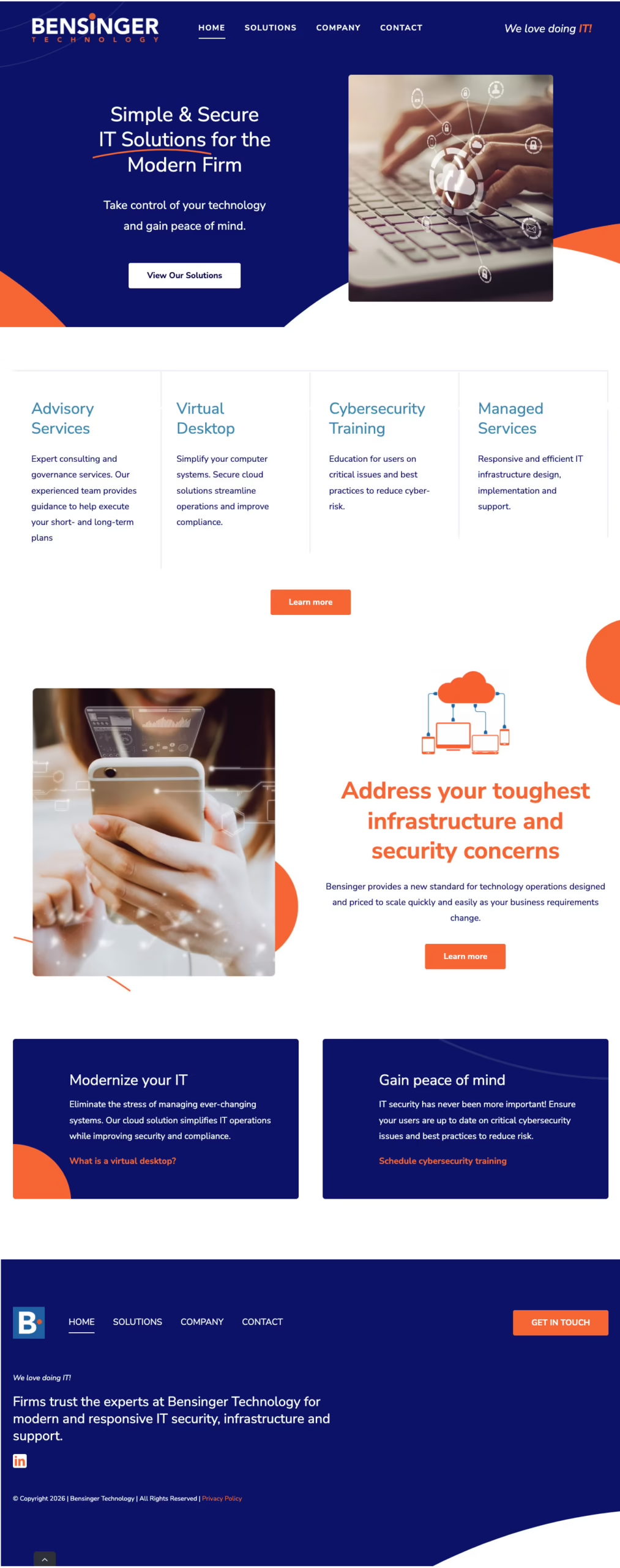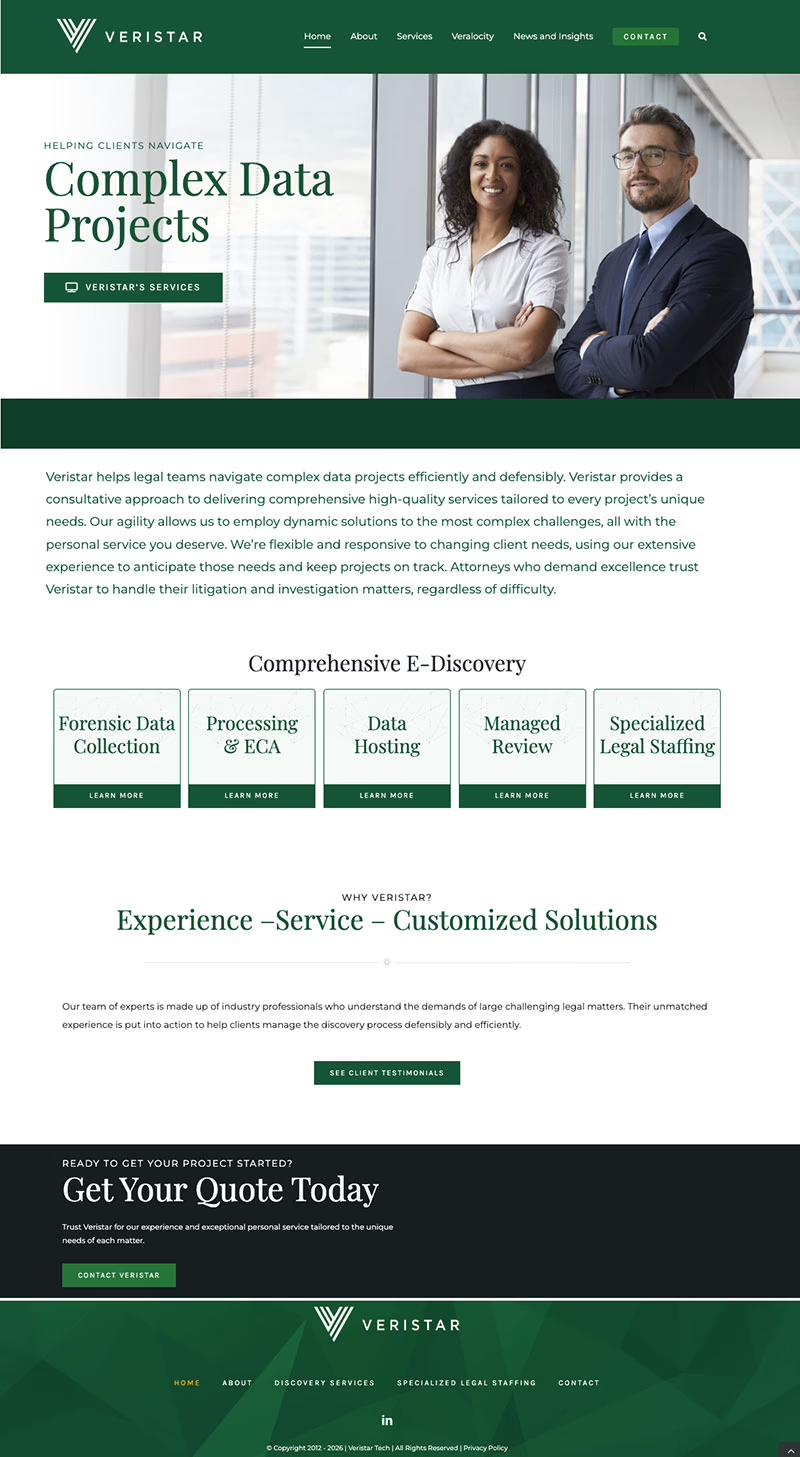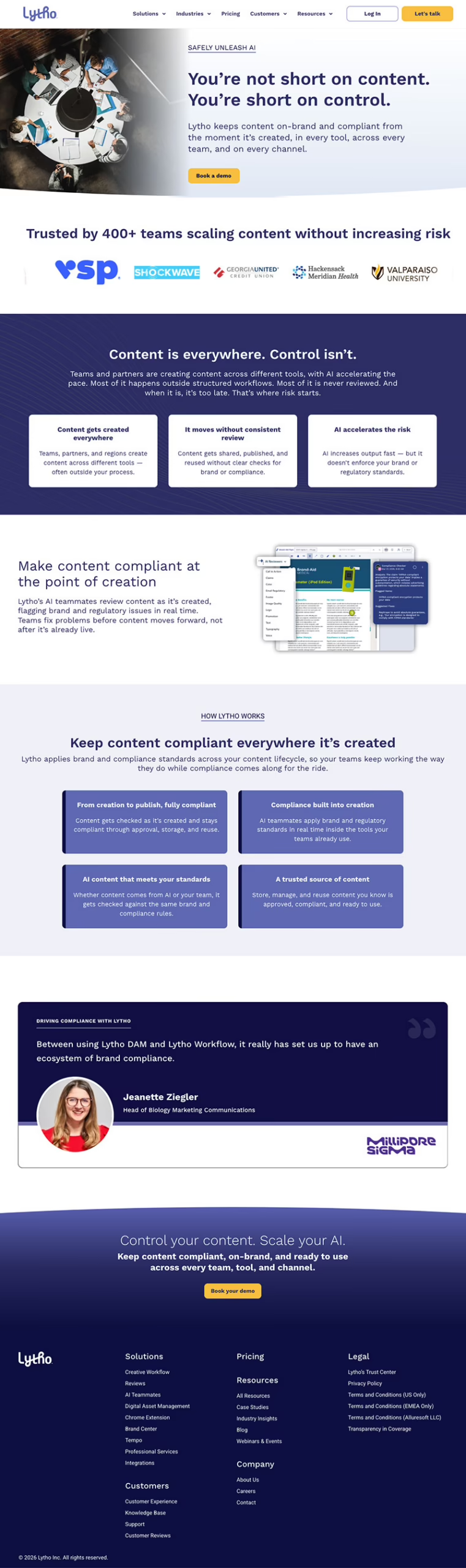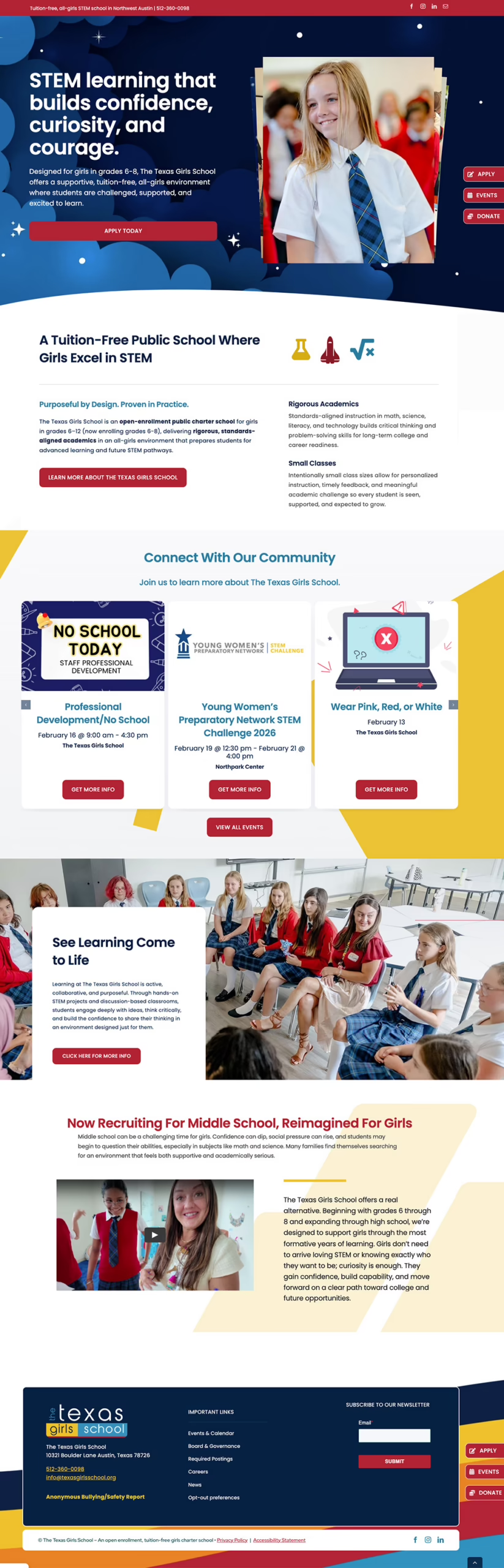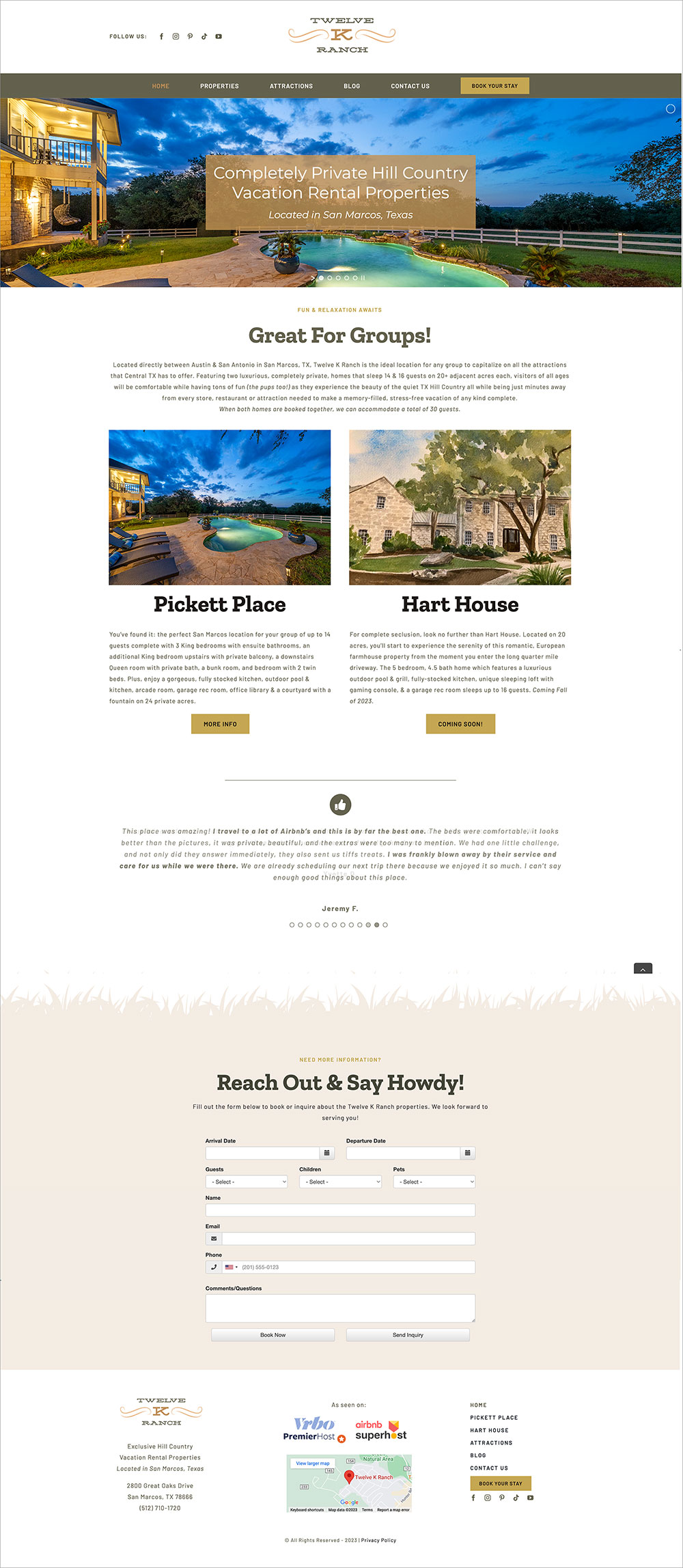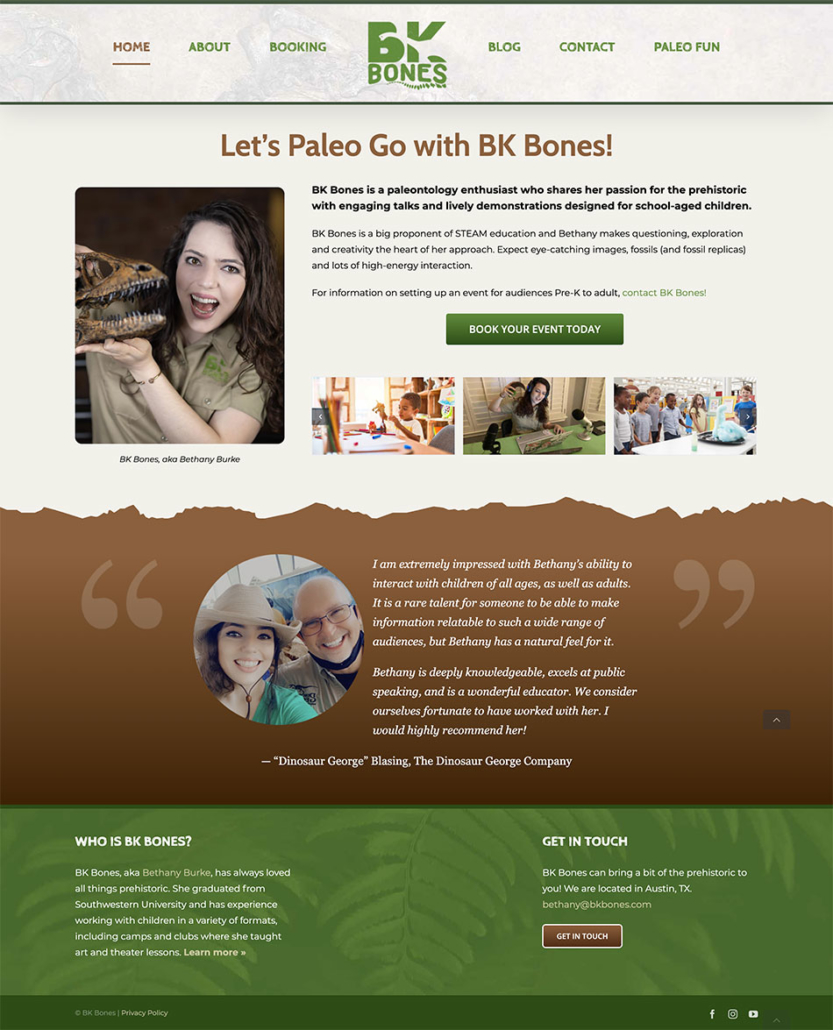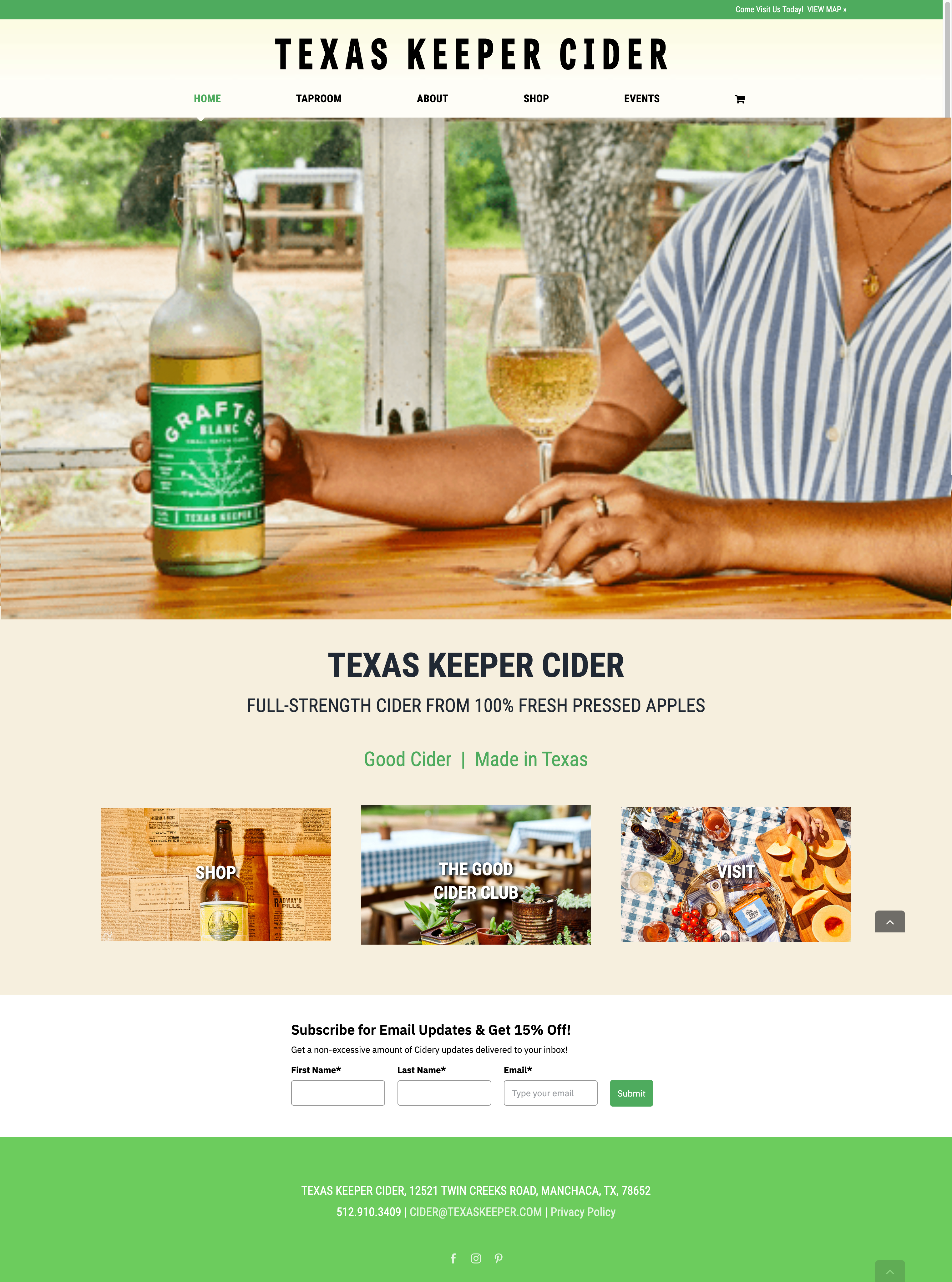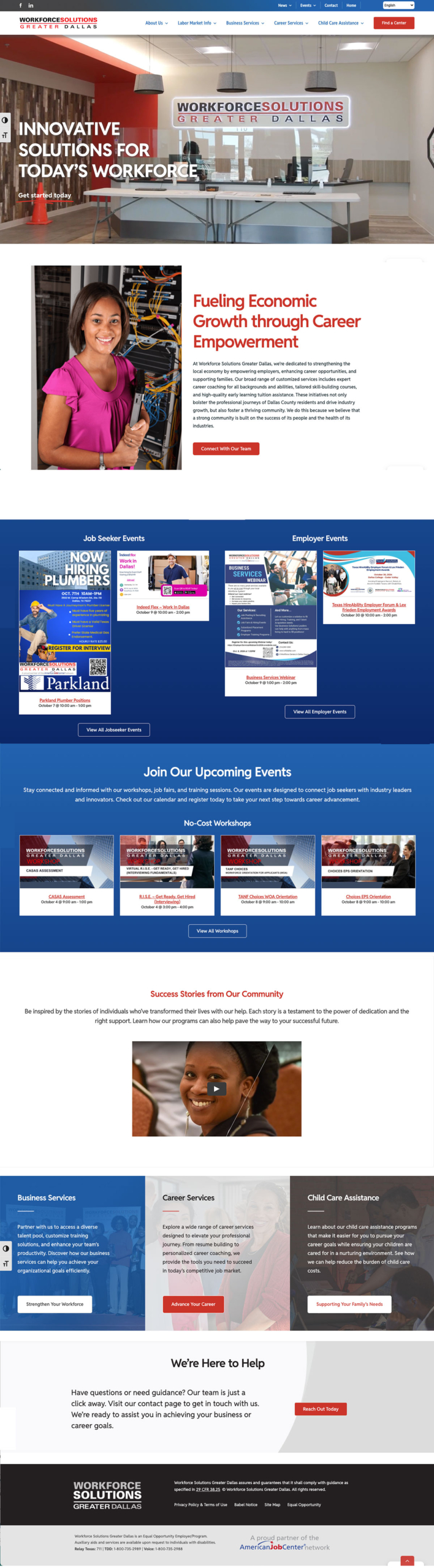
Why Your Business Still Needs a Professional Designer (Even in the Age of Canva and Figma)
In today’s digital world, it seems like anyone can be a designer. Tools like Canva and Figma have made it easier than ever to create logos, social media graphics, and even basic websites. With pre-made templates, drag-and-drop interfaces, and hundreds of font choices, DIY design is more accessible than ever.
But here’s the truth: just because anyone can design doesn’t mean everyone should.
As a business owner, you may be tempted to save money and time by handling your website design or graphic design yourself—or assigning it to someone on your team who’s “good with Canva.” But there’s a big difference between putting something together and designing with purpose, clarity, and strategy.
Let’s talk about why professional designers are still essential, especially when your brand’s reputation and visibility are on the line.
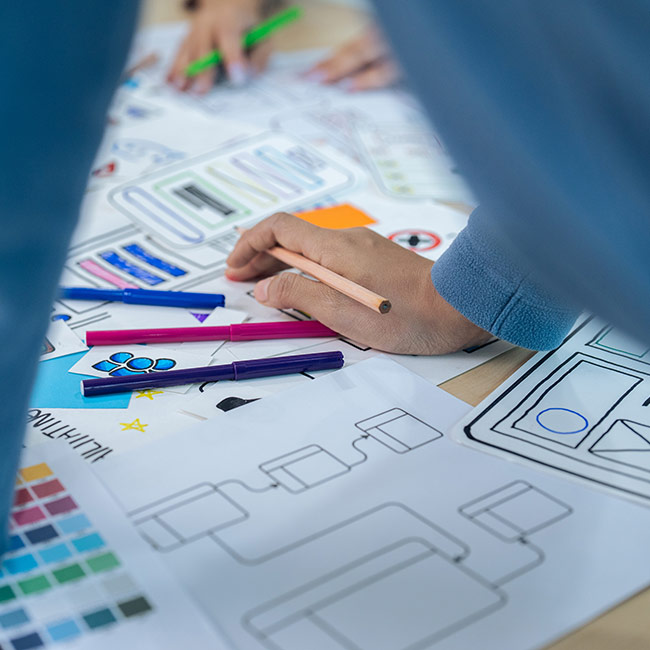
DIY Design Tools Are Helpful—But They’re Just Tools
Canva and Figma are incredible resources. In fact, many professional designers use them too—but as part of a broader toolkit built on training, experience, and strategic thinking.
These tools provide access to polished templates and assets, but they don’t teach you design fundamentals: hierarchy, contrast, typography, color theory, balance, user experience, or accessibility. A professional designer knows how to use these principles to create a cohesive, branded experience that doesn’t just look good—it works.
Using Canva or Figma without design training is like buying a high-end camera and expecting to become a wedding photographer overnight. You might capture a few decent shots, but you’ll miss the deeper craft and skill that make professionals worth hiring.
Strategic Design Aligns with Business Goals
Professional website design and graphic design are not just about making things “look nice.” A trained designer approaches every project with a clear understanding of your business objectives:
- Who is your target audience?
- What action do you want them to take?
- How should the design reflect your brand identity?
- What information hierarchy leads to the best user experience?
These are strategic decisions that go far beyond picking colors and fonts.
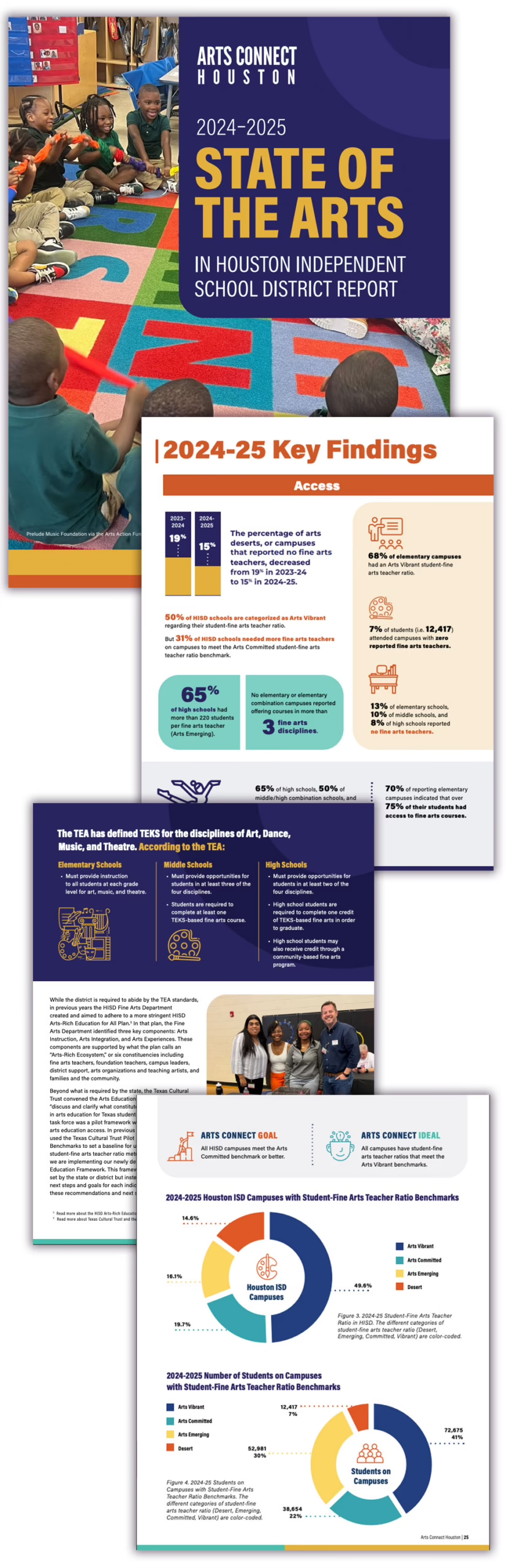
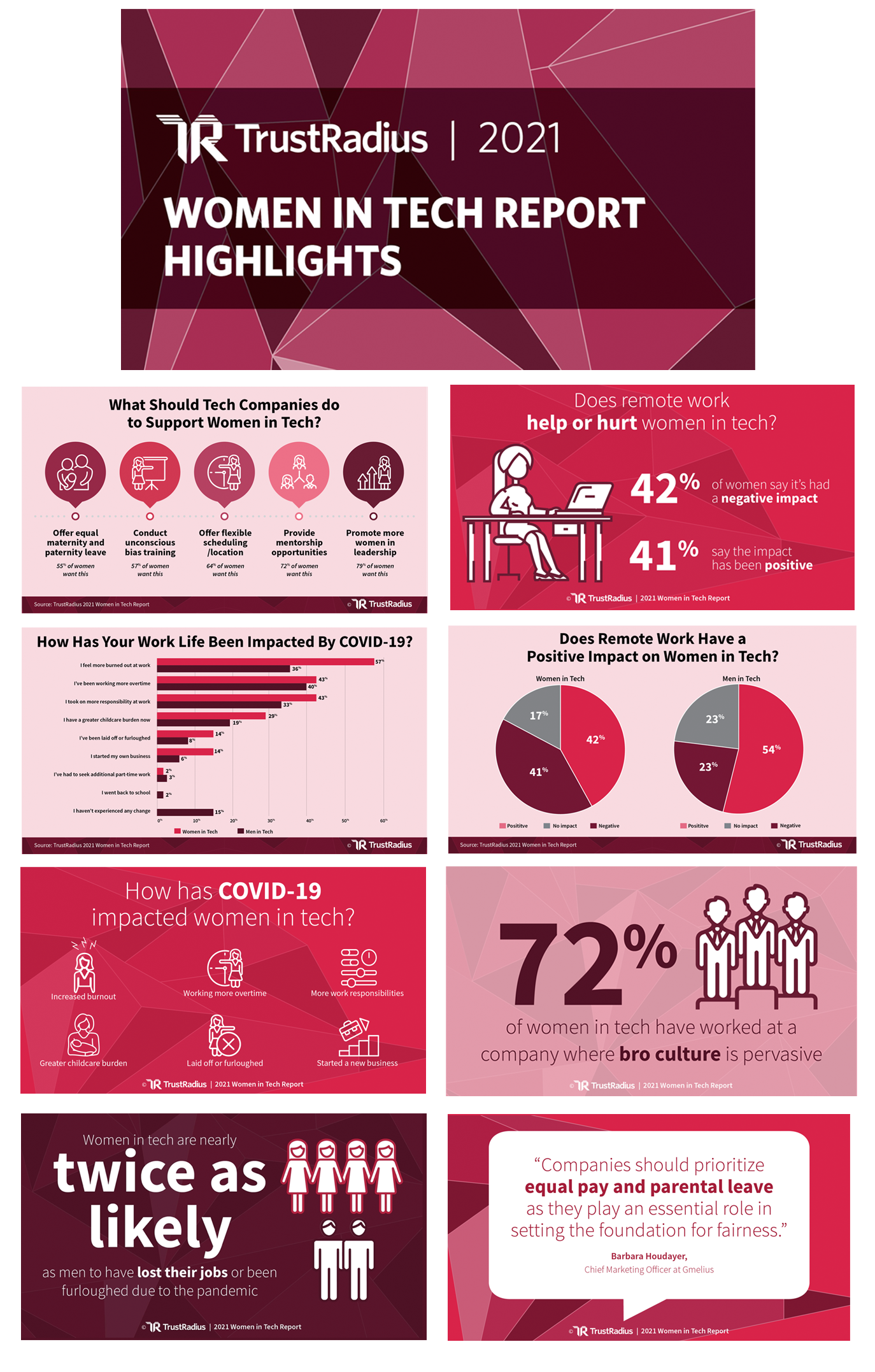
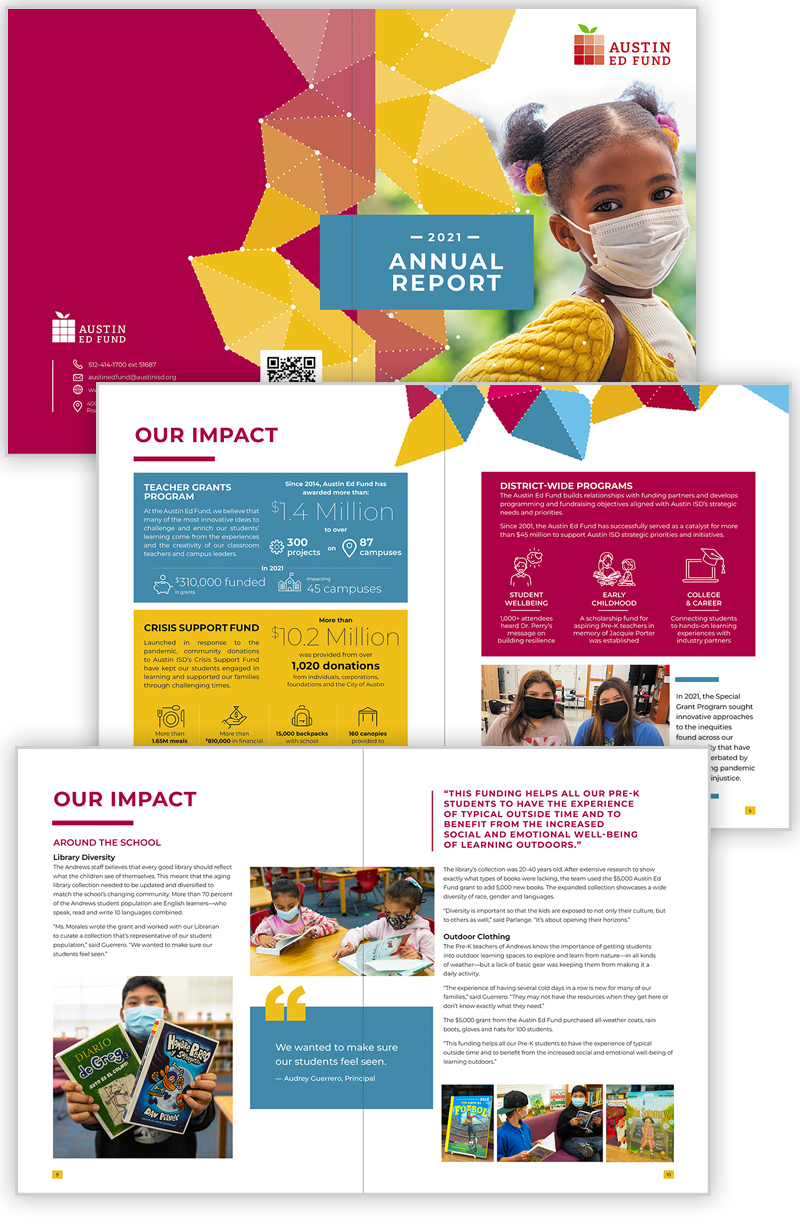
A professional designer will ensure that your website design supports conversions, loads efficiently, and guides users intuitively through your content. They’ll make sure your graphic design is aligned with your brand across platforms—from print to social media to email marketing.
Your Brand Is Too Important for Amateur Design
Your website and marketing materials are often the first impression a potential customer has of your business. In seconds, they’ll decide if they trust you, if your brand looks legitimate, and if they want to learn more.
Sloppy or inconsistent design tells the world you’re not ready for serious business. Even if your service or product is top-tier, poor design can undermine that credibility fast.
A professional designer ensures every visual element reinforces your authority and brand story. This creates trust, engagement, and—ultimately—conversions.
Design That Scales with Your Business
Another key benefit of hiring a designer? Scalability. As your business grows, your design needs will too—whether that means building a new landing page, launching a brand refresh, or creating a digital campaign.
A professional designer doesn’t just deliver files—they create design systems, brand guidelines, and scalable assets that grow with you. Canva might get you a quick graphic today, but a designer builds the visual foundation for your future.
Final Thoughts
Canva and Figma are fantastic tools. They’ve democratized design in exciting ways. But they haven’t replaced the need for professional design expertise—they’ve just made it easier for professionals to work faster and smarter.
If you’re serious about growing your business, improving your online presence, and building trust with your audience, don’t rely on quick templates or inexperienced DIY attempts. Invest in a professional who understands both the art and the strategy behind exceptional website design and graphic design.
Because good design isn’t just decoration—it’s a business asset.
About the Author: Melissa Taylor